
Sunscreen Decoded: How to Actually Protect Your Skin This Summer
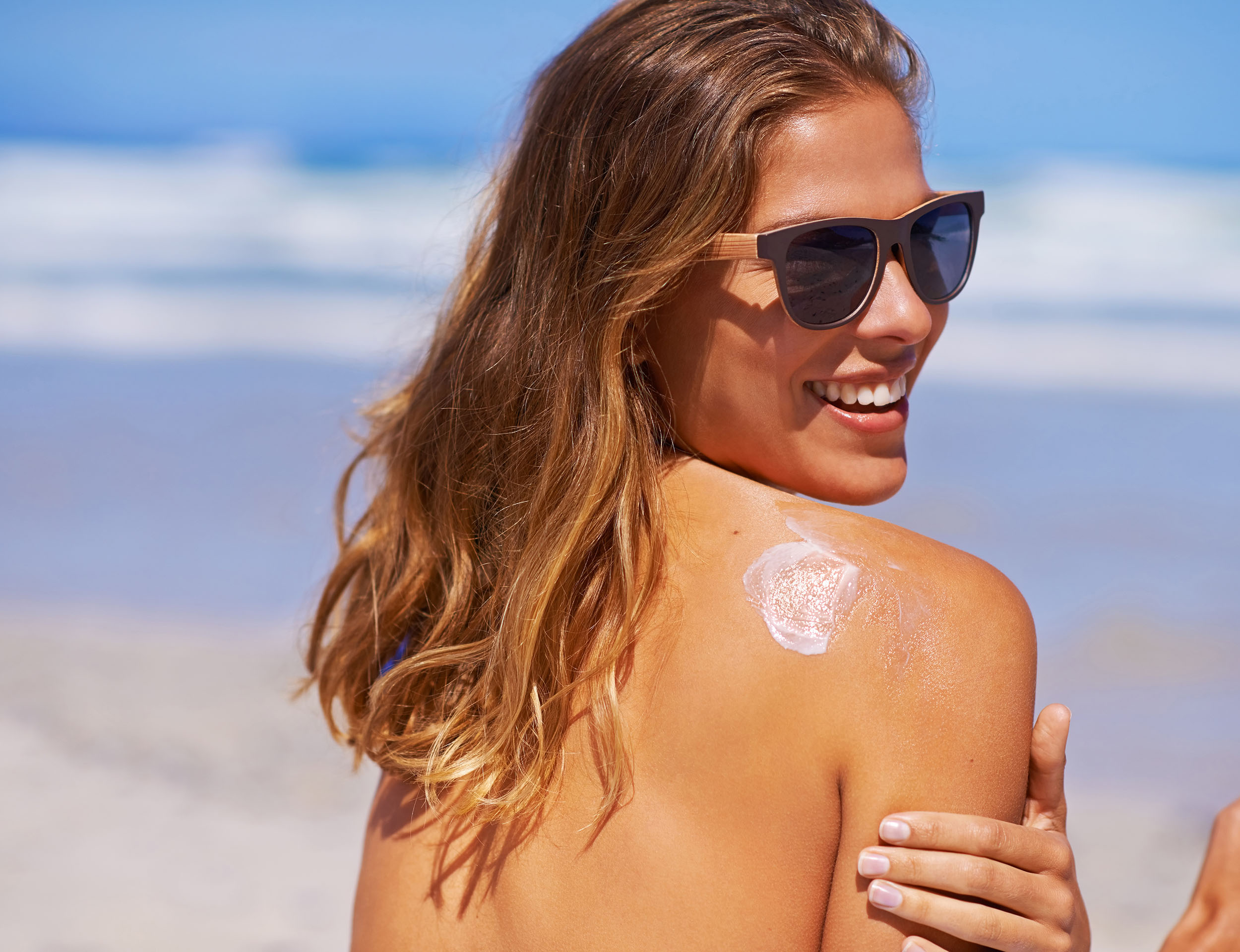
"Sun protection is a two-act play: defense during the day, recovery at night. Both matter."
Walk down the sunscreen aisle of any pharmacy and you'll face an overwhelming wall of SPF numbers, filter types, application instructions, and marketing claims. Mineral versus chemical. SPF 30 versus SPF 100. Broad spectrum versus not. It's a lot — and most of us, if we're honest, are applying our sunscreen on largely inherited habit and hope. Here's what you actually need to know.
SPF: What the Number Really Means
SPF stands for Sun Protection Factor, and it specifically measures protection against UVB rays — the ones that cause sunburn. It does not directly measure UVA protection. The number represents a ratio: SPF 30 means that it theoretically takes 30 times longer to burn with the sunscreen on than without.
In practical terms: SPF 30 filters approximately 97% of UVB rays. SPF 50 filters approximately 98%. SPF 100 filters approximately 99%. The diminishing returns here are important to understand — the jump from SPF 15 to SPF 30 is significant; the jump from SPF 50 to SPF 100 is not. What matters far more than the number is consistent, correct application.
The Application Problem
Here's the uncomfortable truth about sunscreen: most people apply about 25-50% of the amount required to achieve the SPF on the label. SPF ratings are tested with 2 milligrams of sunscreen per square centimeter of skin. For a full body, that's approximately one ounce — a shot glass worth. If you're applying less, you're getting meaningfully less protection than the label promises.
Apply sunscreen 15-30 minutes before sun exposure so it can bind properly to skin. Reapply every two hours, and immediately after swimming or sweating. This is where most sun protection breaks down — not in the initial application but in the failure to reapply.
Mineral vs. Chemical Filters
Mineral sunscreens use zinc oxide and/or titanium dioxide as active ingredients. These sit on top of the skin and physically deflect UV radiation. They are effective immediately upon application, they don't degrade in sunlight, and they're generally better tolerated by sensitive skin. Their main drawback is texture — they can leave a white cast.
Chemical sunscreens use organic compounds that are absorbed into the skin and convert UV radiation to heat. They tend to have lighter textures. Some chemical filters — most notably oxybenzone — have raised environmental concerns about coral reef damage. If you're swimming near coral reef ecosystems, mineral sunscreens are the environmentally responsible choice.
After the Sunscreen: Completing Your Protection
Sunscreen is your first line of defense but it's not your only one. Protective clothing, shade-seeking during peak hours (10am-2pm), UV-blocking sunglasses, and wide-brimmed hats all contribute meaningfully to your total protection picture.
And when the day is done — however well you protected yourself — your skin needs recovery. The Mermaid Soul After Sun Spray provides the antioxidant and hydration support that helps address whatever UV stress made it through. The Body Lotion or Body Butter applied in the evening locks in moisture and supports the skin's overnight repair processes.
Think of sun protection as a two-act play: defense during the day, recovery at night. Both matter. Neither is optional.

More from the Ritual
Explore what matters to your skin